
Congress wants to cancel your income tax. Here's the catch.
Welcome back to our Tax the Rich email series where we’re exploring how taxes can prop up or tackle the ever growing gap between the ultra wealthy and everyone else.
In the last email I teased a bill currently sitting in Congress that would eliminate the federal income tax entirely and replace it with a national sales tax. If you missed Parts 1 and 2, you may want to circle back as these emails build on one another, particularly email 2 where I explain the difference between progressive and regressive tax policies..
Alright. Let's talk about the Fair Tax Act.
What Is It
The Fair Tax Act, officially named HR 25, was introduced in Congress on January 3, 2025 by a Republican congressman from Georgia. Its stated goal is to "promote freedom, fairness, and economic opportunity" by repealing the income tax and abolishing the IRS entirely.
It would eliminate:
federal income taxes,
payroll taxes,
estate taxes, and
gift taxes
Sounds great so far. What could go wrong!?
The law then aims to replace all the above taxes with a single national sales tax, starting in 2027. On the surface, it soundly lovely. No more federal tax returns or dealing with the IRS. Instead, you just pay a sales tax on everything you buy. Simple!
But let’s investigate further.
The Rate: 23% or 30%?
This is where I start side-eyeing things.
The bill advertises a "23% tax rate." However the rate is actually 30%. Let me explain. If you bought something for $100. The tax would be $30, so your total is $130. They’re saying $30 is 23% of the $130. Tricky, tricky! That’s not how most of us understand and discuss sales tax rates.
Remember this when you hear people argue about the rate.
What Gets Taxed
Currently, sales taxes are currently governed by state. We would also still have state sales taxes on top of the federal sales tax. At the state level, the following are usually exempt from sales tax: groceries, healthcare, prescription drugs, and kids' (in some states).
Under the Fair Tax Act, nearly everything gets taxed, no exceptions.
You’d apply a 30% tax to your grocery bill, your rent, your doctor's visit, and your prescriptions. Sounds like a pain in the ass, but with no more income taxes, you might be like:

And they are trying to sweeten the deal a bit because this is really a regressive tax.
The Prebate
Under this law, every household would receive a monthly check from the government, calculated based on the federal poverty level for their family size, designed to offset taxes on basic necessities.
The idea is that the prebate covers your taxes on essentials, so the poor aren't hammered. Here's the problem with that argument.
The Fair Tax Act would simultaneously eliminate the Earned Income Tax Credit and the Child Tax Credit, two programs that currently lift millions of low-income families out of poverty every year (or at least play a small part toward that goal). The law hands people a benefit while simultaneously eliminate programs that do a lot more.
From my perspective, it’s a textbook Republican move. They rely on voters to not understand the complexities of our systems. Then, they slash programs that benefit the masses, throw us a shiny carrot, and expect us to be so excited. Sadly, it often works.
Some critics have also pointed out the irony that the prebate, a monthly government check sent to every American household, is itself a form of the entitlement spending that many of this bill's supporters otherwise oppose.
Who Actually Benefits
A flat consumption tax is regressive by nature. Lower income households spend a higher percentage of their income on goods and services, so a flat tax on consumption hits them proportionally harder.
It’s estimated that a married couple earning around $39,000, under the fair tax act, after receiving the prebate, would pay $2,372 more per year, a 42% increase in their federal tax burden.
Meanwhile, the share of total federal taxes paid by households earning over $200,000 would drop from 53.5% to 45.9%.
Lower earners pay more. Higher earners pay less. And remember, the bill is called the "Fair" Tax Act. Of course, proponents will argue it is fair because everyone now pays the same percentage, but it’s definitely not equitable. We’ve probably all seen this graphic.
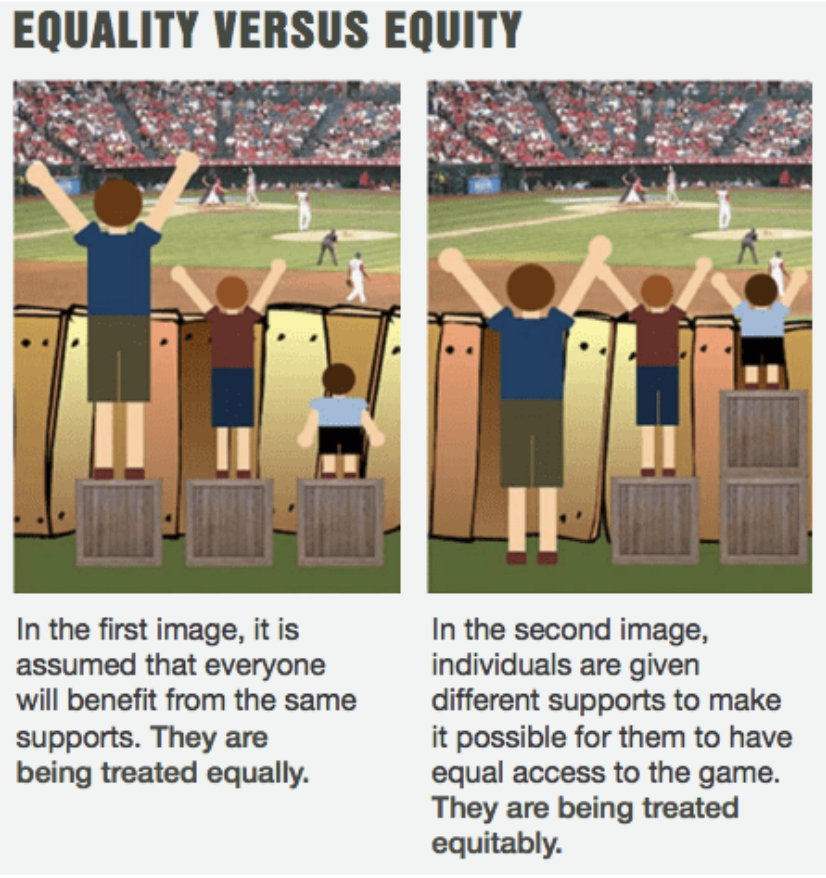
The image on the left represents how the Fair Tax Act would operate in practice. The image on the right reflects the goal of a progressive tax system.
Where It Stands
HR 25 was introduced in January 2025 and is currently sitting in committee. It has not passed. It is not law. It would also require repealing the 16th Amendment, the constitutional amendment that authorized the income tax in the first place, within seven years of passage, or the whole law would get scrapped automatically.
Repealing a constitutional amendment requires two-thirds of Congress and three-quarters of state legislatures. For context, only 27 amendments have ever been ratified in the entire history of the United States. And we’re at maybe all time level of gridlock, disfunction, and unproductivity in Congress.
This bill is not becoming law anytime soon. But it gets introduced every single Congress. It has real supporters, and the ideas behind it, kill the IRS, simplify the tax code, shift to consumption taxes, are very much alive in the current political conversation.
Which takes us to the next email.
What's Coming Next
We don't need to wait for the Fair Tax Act to see a national consumption tax in action. We already have one. It's called tariffs, and your grocery bill is already feeling it.
Stay tuned.
Best,
Braden