That’s the key question. The answer: kind of. It depends. Maybe.
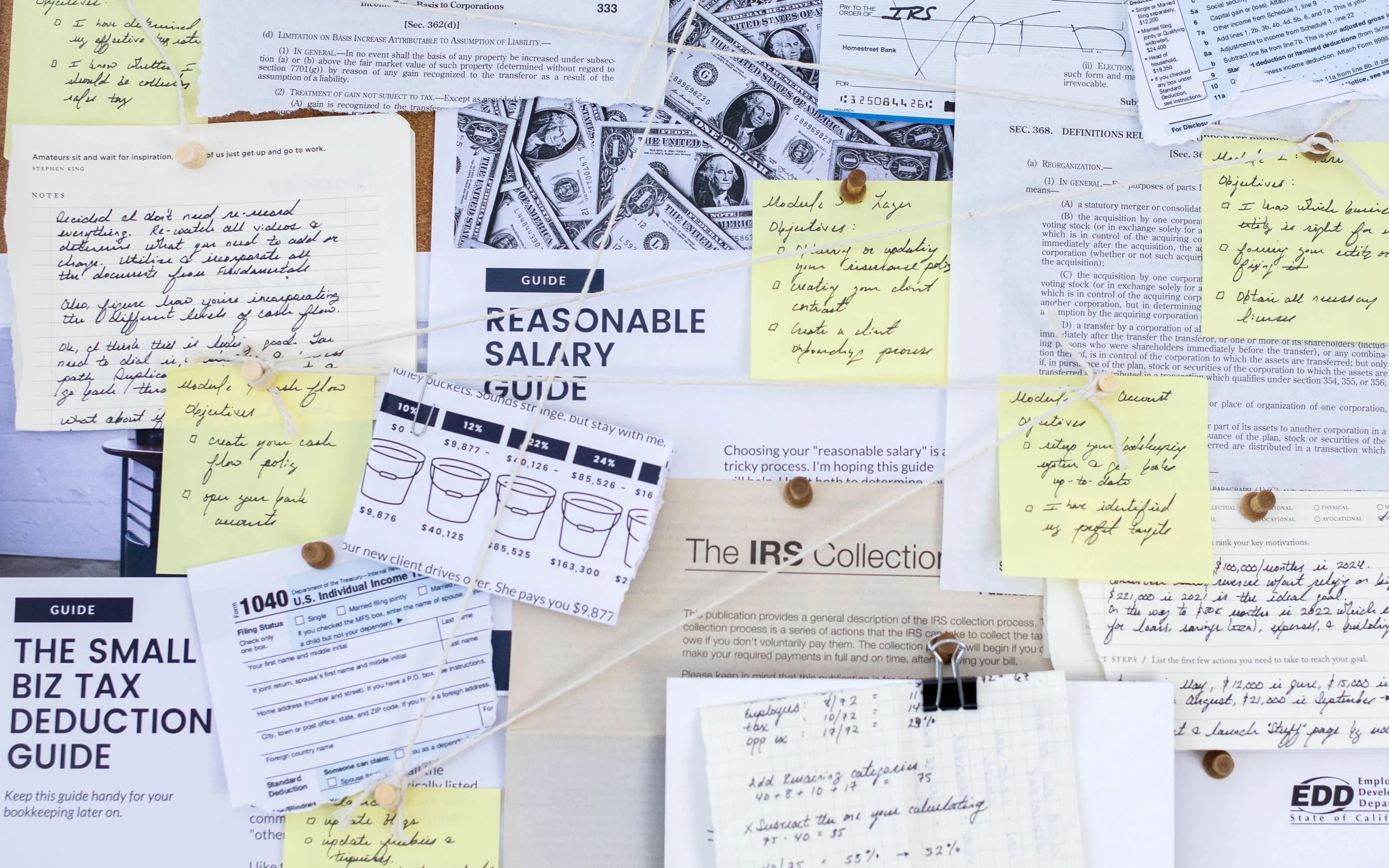
Helpful, yeah? Really, the more documentation you have, the better. You want to save everything and keep it organized.
If you’re not there yet, don’t sweat it too much. There is some flexibility. The IRS is strict with a few specific small business deductions, including travel costs, meals, and vehicle mileage. The IRS requires that we document these expenses at the time they occur. That means logging the miles or saving the receipts.
For meals, keep your receipts and note on the back the date and the purpose of the meeting. Recently I had my brand photos taken and the photographer and I had lunch after. On the back of the receipt, I wrote: “2/5/23, Lunch with brand photographer to discuss shot list.”
If you’re ever audited, you must do your best to substantiate your deductions. This means providing some sort of logical explanation for the deductions. Sometimes bank statements may suffice. For other deductions, like those noted above, they won’t.
We have a tendency to overcomplicate things when we may not need to. Ultimately, you want to find a system that works for you. Here are some tips to get started:
Keep your receipts, particularly for travel and meals. Get one of those nice file folders to organize them in or keep an envelope in your bag. If you don’t want to deal with the paper, store your receipts electronically. Most bookkeeping programs allow you to save photos. There are also some phone apps specifically created for maintaining receipts.
Save your electronic invoices. Anytime you buy something online and get an email confirmation of purchase, save that email in a tax or receipts folder. At the close of the year, export them and upload them to a Google Drive folder.
Use MileIQ or a similar program to easily log your miles. Quickbooks has a mileage tracker, which is fabulous if you’re already using the program.
GET ACCESS TO FREE RESOURCES
For more resources to help you run your business, visit our Freebies Section.
RECENT BLOGS